Introduction
In discussions about financial planning, wealth management, and legacy, one topic is frequently delayed or avoided altogether: end-of-life decision-making. Yet from an executive and leadership perspective, few actions demonstrate responsibility, foresight, and respect for others more clearly than preparing a living will. A living will is not about surrendering hope; it is about asserting clarity, dignity, and control when circumstances may no longer allow personal expression.
As CEO Bre, with years of experience advising individuals, families, and organizations on long-term planning and risk management, I have observed that uncertainty—not death itself—is often the greatest burden left behind. When final wishes are undocumented, loved ones are forced to make deeply personal decisions under emotional strain, often without guidance. Living wills exist to prevent this burden.
This article explores why living wills matter, how they function, and why making final wishes known is a critical component of responsible personal, financial, and ethical planning.
Understanding What a Living Will Is
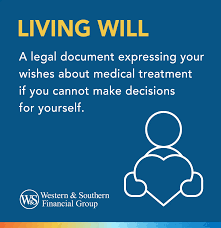
A living will is a legal document that outlines an individual’s preferences regarding medical treatment and life-sustaining measures in situations where they are unable to communicate those decisions themselves. It typically addresses scenarios involving terminal illness, permanent unconsciousness, or irreversible medical conditions.
Unlike a traditional will, which focuses on the distribution of assets after death, a living will operates while an individual is still alive. It guides healthcare providers and loved ones in making decisions that align with the individual’s values, beliefs, and desired quality of life.
From a CEO’s standpoint, a living will is an instrument of clarity and leadership—providing direction when it matters most.
Why Living Wills Are Often Overlooked
Despite their importance, living wills are frequently postponed. Cultural discomfort with mortality, fear of confronting difficult scenarios, and misconceptions about complexity all contribute to avoidance.
Many individuals assume that family members will “know what to do” or that medical professionals will make appropriate choices. In reality, without explicit guidance, decisions can become conflicted, delayed, or legally complicated.
Leadership, whether in business or personal life, requires confronting uncomfortable realities before they become crises.
The Emotional Impact on Families
When final wishes are not documented, families face extraordinary emotional pressure. Loved ones may disagree on treatment decisions, struggle with guilt, or fear making the “wrong” choice.
A living will alleviates this burden by:
- Providing clear instructions
- Reducing family conflict
- Removing uncertainty and doubt
- Allowing loved ones to focus on presence rather than decisions
As CEO Bre, I consider this emotional protection as important as any financial safeguard.
Living Wills as an Expression of Personal Values
Medical decisions at the end of life are rarely purely clinical. They reflect deeply held values about dignity, autonomy, faith, comfort, and the meaning of life itself.
A living will allows individuals to express:
- Preferences regarding life support
- Attitudes toward pain management
- Views on artificial nutrition and hydration
- Desires for comfort-focused care
From an executive perspective, articulating values in advance is an act of self-respect and moral leadership.
Legal Recognition and Structure of Living Wills
Living wills are legally recognized in many jurisdictions, though requirements vary. Typically, they must be written, signed, and witnessed according to local regulations.
Some individuals choose to integrate living wills with other advance directives, such as healthcare proxies or durable powers of attorney for healthcare. Together, these documents create a comprehensive framework for medical decision-making.
Responsible planning requires understanding and complying with applicable laws.
Living Wills and Healthcare Providers
Healthcare professionals rely on living wills to guide treatment decisions ethically and legally. Clear documentation helps providers respect patient autonomy while avoiding unnecessary or unwanted interventions.
From a systems perspective, living wills also contribute to more efficient and compassionate healthcare delivery by aligning treatment with patient intent.
Financial Implications of End-of-Life Decisions
While living wills primarily address medical choices, they also have significant financial implications. Prolonged medical interventions can generate substantial costs, potentially affecting family finances and estates.
By clarifying treatment preferences, living wills help:
- Avoid unwanted medical expenses
- Preserve estate assets
- Align healthcare spending with personal values
As a CEO, I view this alignment as an essential component of holistic financial planning.
Living Wills and Estate Planning Integration
Living wills should not exist in isolation. They are most effective when integrated with broader estate and financial plans, including wills, trusts, and insurance strategies.
This integration ensures consistency between medical wishes and financial intentions, reducing confusion and legal risk.
Ethical Responsibility and Autonomy
At their core, living wills are about autonomy—the right to make informed decisions about one’s own body and care. Ethical medical practice respects this autonomy, but it requires guidance.
By preparing a living will, individuals affirm their right to self-determination while also respecting the emotional well-being of others.
Common Misconceptions About Living Wills
Several misconceptions discourage individuals from creating living wills:
- “I am too young or healthy.”
- “A living will means giving up treatment.”
- “My family will decide for me.”
In reality, living wills apply across ages, preserve choice, and support families rather than replace them.

Timing: When to Create a Living Will
There is no “perfect” time to create a living will, but delaying increases risk. Life events such as marriage, parenthood, diagnosis, or aging often prompt reflection.
From an executive perspective, proactive planning is always preferable to reactive decision-making.
Communicating Final Wishes Beyond the Document
A living will is most effective when accompanied by open communication. Discussing wishes with family members and healthcare proxies ensures understanding and alignment.
Leadership involves not only documentation but dialogue.
Cultural and Social Considerations
Attitudes toward end-of-life care vary across cultures and communities. Living wills provide a structured way to honor cultural values while operating within legal frameworks.
Respecting diversity in values is an essential aspect of ethical leadership.
Living Wills in an Aging Society
As populations age globally, the importance of advance directives continues to grow. Living wills help healthcare systems, families, and individuals navigate complex medical realities with compassion and clarity.
From a policy and leadership standpoint, encouraging living wills supports sustainable and humane care models.
The CEO’s Framework for Preparing a Living Will
Based on executive experience, a practical framework includes:
- Reflecting on personal values and beliefs
- Understanding medical treatment options
- Consulting legal and healthcare professionals
- Documenting wishes clearly
- Communicating decisions to trusted individuals
- Reviewing and updating regularly
This disciplined approach mirrors effective leadership practices.
Living Wills and Peace of Mind
One of the most profound benefits of a living will is peace of mind. Knowing that wishes are documented allows individuals to live more fully in the present.
Families, too, gain reassurance from clarity and preparedness.
Ethical Leadership at the End of Life
Leadership does not end with career or public role. The way individuals prepare for the end of life reflects their commitment to responsibility, dignity, and care for others.
As CEO Bre, I believe that making final wishes known is an act of ethical leadership that transcends business and finance.
Long-Term Impact of Living Wills
The impact of a living will extends beyond the individual. It shapes family experiences, influences healthcare decisions, and contributes to a culture of transparency and respect.
These outcomes represent lasting value.
Conclusion: Making Final Wishes Known
Living wills make final wishes known when voices may no longer be heard. They transform uncertainty into clarity and fear into guidance.
From an executive perspective, preparing a living will is not an admission of vulnerability, but a demonstration of strength, foresight, and compassion. It protects autonomy, supports loved ones, and aligns medical care with deeply held values.
As CEO Bre, my message is simple: responsible planning includes the courage to decide in advance. By making final wishes known through a living will, individuals leave behind not confusion, but clarity—and not burden, but peace.
Word Count:
368
Summary:
People remember how sad they felt while Terri Schiavo withered away; as they watched the woman’s family fight over what they thought she wanted.
Keywords:
living wills
Article Body:
People remember how sad they felt while Terri Schiavo withered away; as they watched the woman’s family fight over what they thought she wanted.
You Should Have A Living Will
While Living Wills have existed for some time, they have become household words since the Schiavo case – the Florida woman who suffered severe brain damage in 1990 and became the centre of a legal and moral debate which culminated in her passing away on March 31, 13 days after her feeding tube had been removed.
The controversy pitted Schiavo’s parents, who wanted to keep their daughter alive, against Schiavo’s husband, who said she wanted to die rather live in such a state. Politicians joined in the debate as did church leaders. People around the nation argued the moral and ethical implications of Schiavo’s condition.
Schiavo did not have a Living Will – a written, legal document that clearly expresses what a patient would want done if their condition is terminal and incurable, an important message to your loved ones when you are no longer able to communicate.
While common sense would say Living Wills are more important for the elderly it’s important for adults of all ages to have such documents because you never know when tragedy will strike. Schiavo was only 26 when she collapsed in her home.
There are people who are young that don’t realize this is important, but it is. The Living Will gives you a chance to make a decision you want about life and death.
Who Needs A Living Will?
Everybody needs a Living Will. You can be in charge, regarding the way you are treated at the end of your life.
Nobody in their right mind would want their family to be dragged through something like the Schiavo case. Anybody, regardless of age, should seriously consider how they will be treated, as long as they are living by the medical community.
It is important to have a Will and a Living Will for the children. It makes it easier on families if a situation arrives, so they don’t have to make a decision on their own. It’s never too early to have a Will or a Living Will.



Tinggalkan Balasan